Monday June 15th begins my excursion period in my Internship. Today we travel to Yonago on the coast of Sea of Japan for the annual Diocese of Kobe clergy retreat to which I was invited to attend.
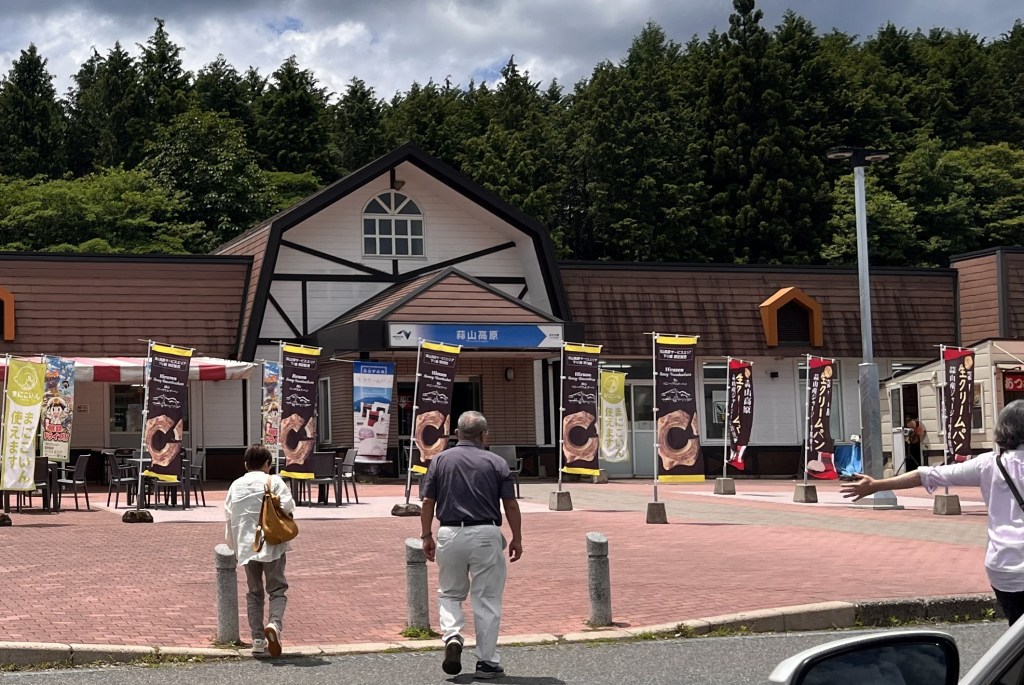
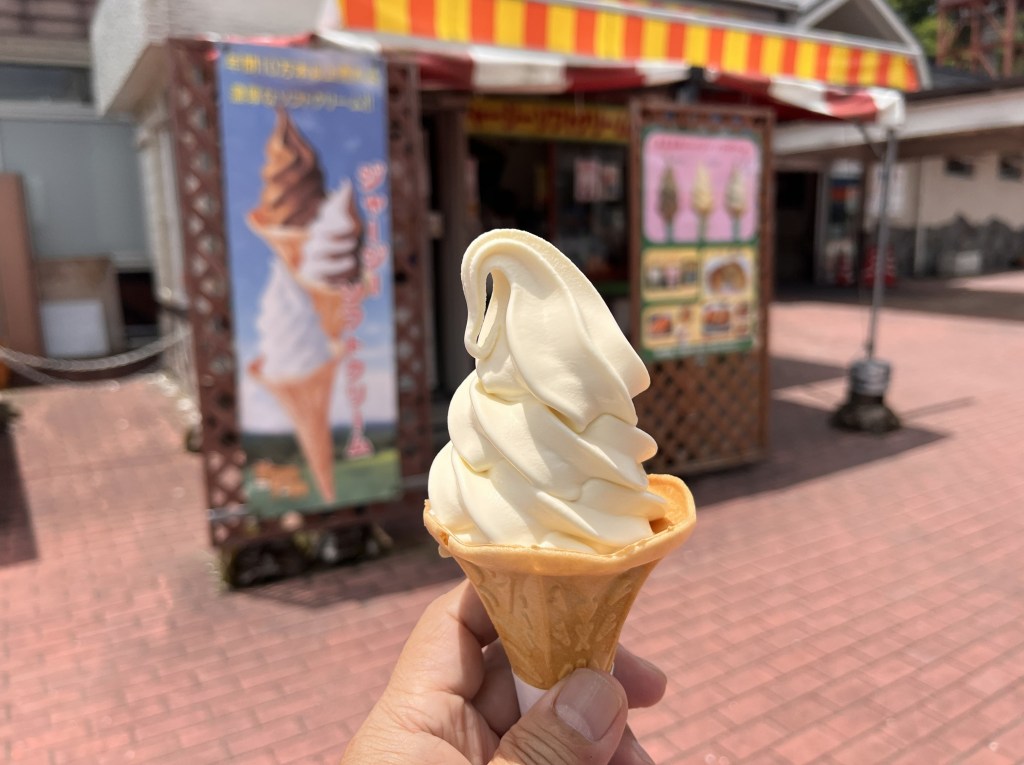
Fr. Seyama drove Deacon Miyata and me to Yonago in Tottori prefecture. We first picked up another priest in Himeji, about 45 minutes West from Kobe, then headed north across the mountain range that separated Sanyo (山陽) from Sanin (山陰) sides of Japan. Along the way we made a rest stop at Hiruzen Highlands (蒜山高原) where they served local soft cream made from Hiruzen Jersey Cow milk.
Wow! How delicious it was! Full bodied taste of a very special milk.
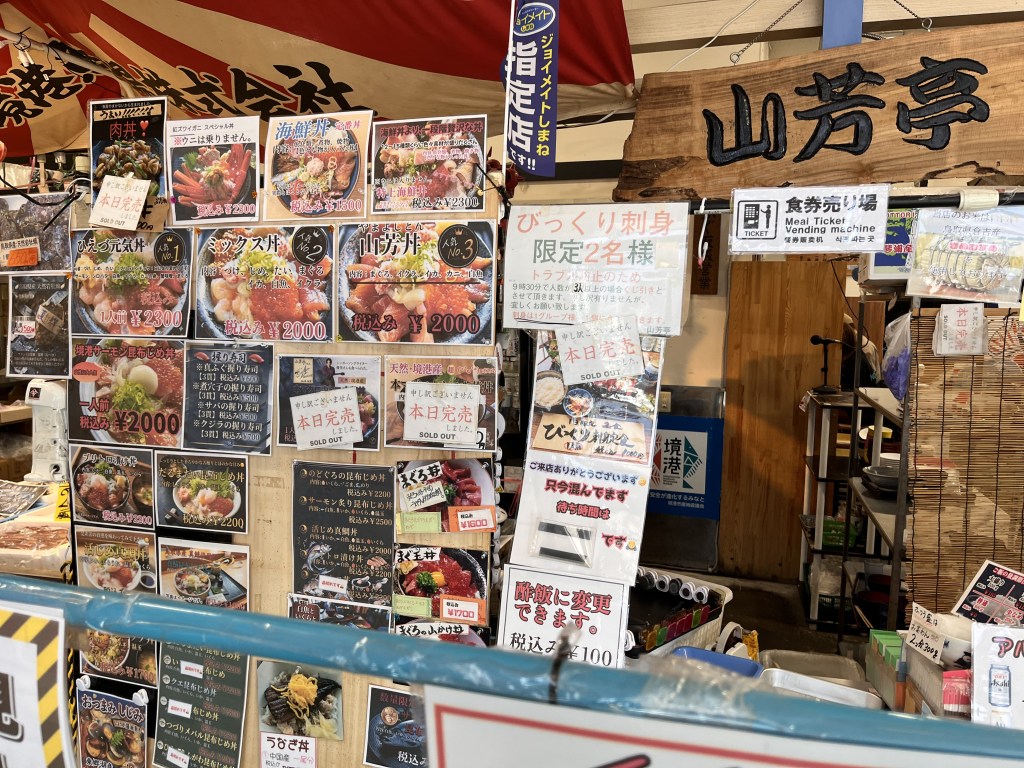
Once we arrived in Yonago around 12:45 pm, it was an immediate rush to Fr. Seyama’s favorite lunch spot, Yamayoshi-Tei (山芳亭) in the next town over, Hiezu (日吉津) for a Kaisen-Don, for ¥1,500 ! That’s less than $10.00 US Dollars!!! A Kaisen-Don is a bowl of rice with the freshest seafood one can find anywhere because Yamayoshi Fishmarket (山芳海産) in Sakai-Harbor City (境港市) runs the restaurant, and they get the freshest fish right from the fishermen that morning!
It was sooo delicious! We were so hungry I dug in immediately and forgot to take a picture! Here’s a picture of the register where we pay ahead of the meal.
And here’s their website where you can see a picture of what I had. Sorry!
After lunch we ate more Milk Soft Cream, this time at “Shiro-Bara Milk Shop” in Sakai-Minato (白バラみるくショップ アスパル店). It was not quite Jersey Cow taste, but nonetheless, a very good soft cream. Shiro-bara (白バラ牛乳) is a region-wide milk company.
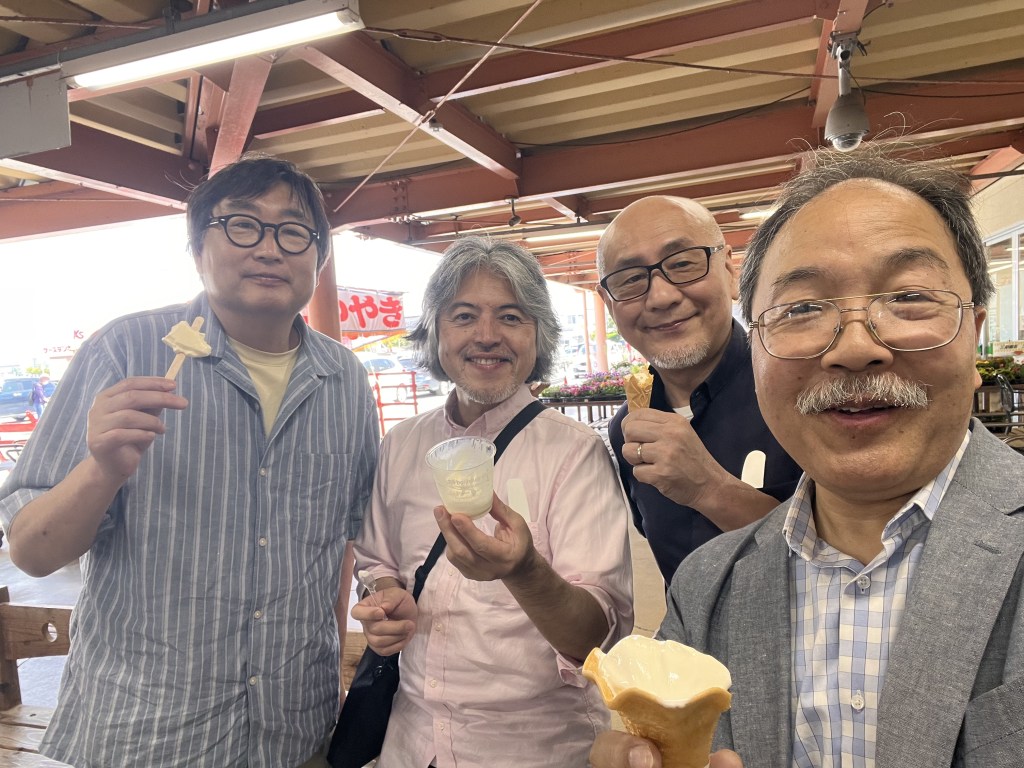
I don’t normally buy soft cream on my own, but everything that I participated in eating (and therefore we went) were recommended by Fr. Seyama. They were all the things he wanted to taste again, and we got to experience them ourselves!
Fr. Seyama had been assigned to serve in a church in Yonago in the past. He said it had been eight years since he left the city, and he had to visit all the old haunts. The towns people still remember him!
What a privilege it must have been to serve in a church in such a community! He told me of a parishioner who is a fisherman who would bring extra fish that didn’t make it to the market, and a parishioner who is a farmer who would bring extra vegetables from their farm.
I believe give and take is what community building is all about. Giving and being given is how one can shares one’s own with another. That is what the first followers of Jesus did in the Book of Acts in the New Testament. Of course, not everyone gave everything they caught or grew to everyone. Everyone would go broke! But even if it’s just a gesture, what a privilege to participate in giving and receiving.
What can city-dwellers like New Yorkers do that is similar, since farm produce and seafood are not the main industry in major cities? I’ll need to ponder on that.
We were expected to gather at 4:00 PM, so we still had time and visited two churches in Yonago and Sakai-Minato where Fr. Seyama had served. Since I will be formally visiting these churches in July, I will save talking about them for a later blog post.
The clergy retreat was held at Yonago Kaike Onsen Ikoi-tei (Retreat) Kikuman (米子皆生温泉いこい亭菊萬). Even though the place calls itself “Ikoi-tei” or “Rest Spot,” it is fully a Ryokan (旅館) a high end Japanese lodging or resort.
We gathered in a meeting room for the main talk – the progress on the new Book of Common Prayer. The NSKK-wide committee of which Fr. Hayashi is a part, is working hard to complete the work by 2030. The services this day and the following will be using the trial versions of the Evening prayer, Morning prayer and the Holy Eucharist.
For example they are renaming the title for Eucharist section of the Common Prayer from “Holy Communion” to “Holy Eucharist” to express the Thankfulness (εὐχαριστία, or Eucharistia) nature of the phrase, which is the word used in explaining how the disciples remembered the Lord in Didache, one of the most important ancient writings, believed to have been written by the apostles themselves.
We closed the afternoon with an Evening Prayer using the trial version, and then onto enjoying one of the main offerings of a Ryokan together.
A Ryokan is not quite a Bed & Breakfast – it should be D, B and B (Dinner, Bed and Breakfast!) because one of the main offerings of a Ryokan is the “Kaiseki (会席)”, Japanese Course Dinner full of wonderful dishes, and in many cases using locally harvested delicacies.
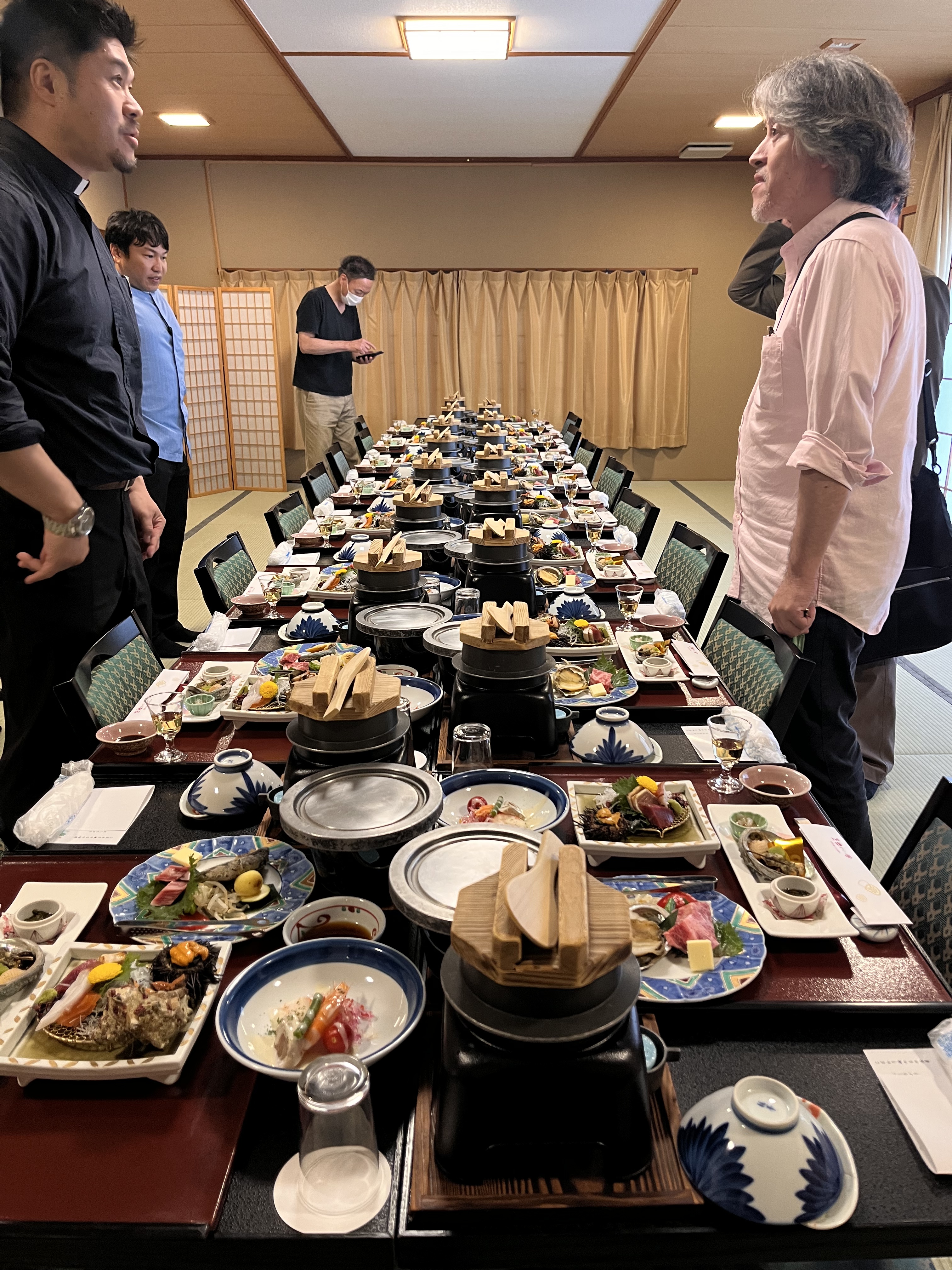
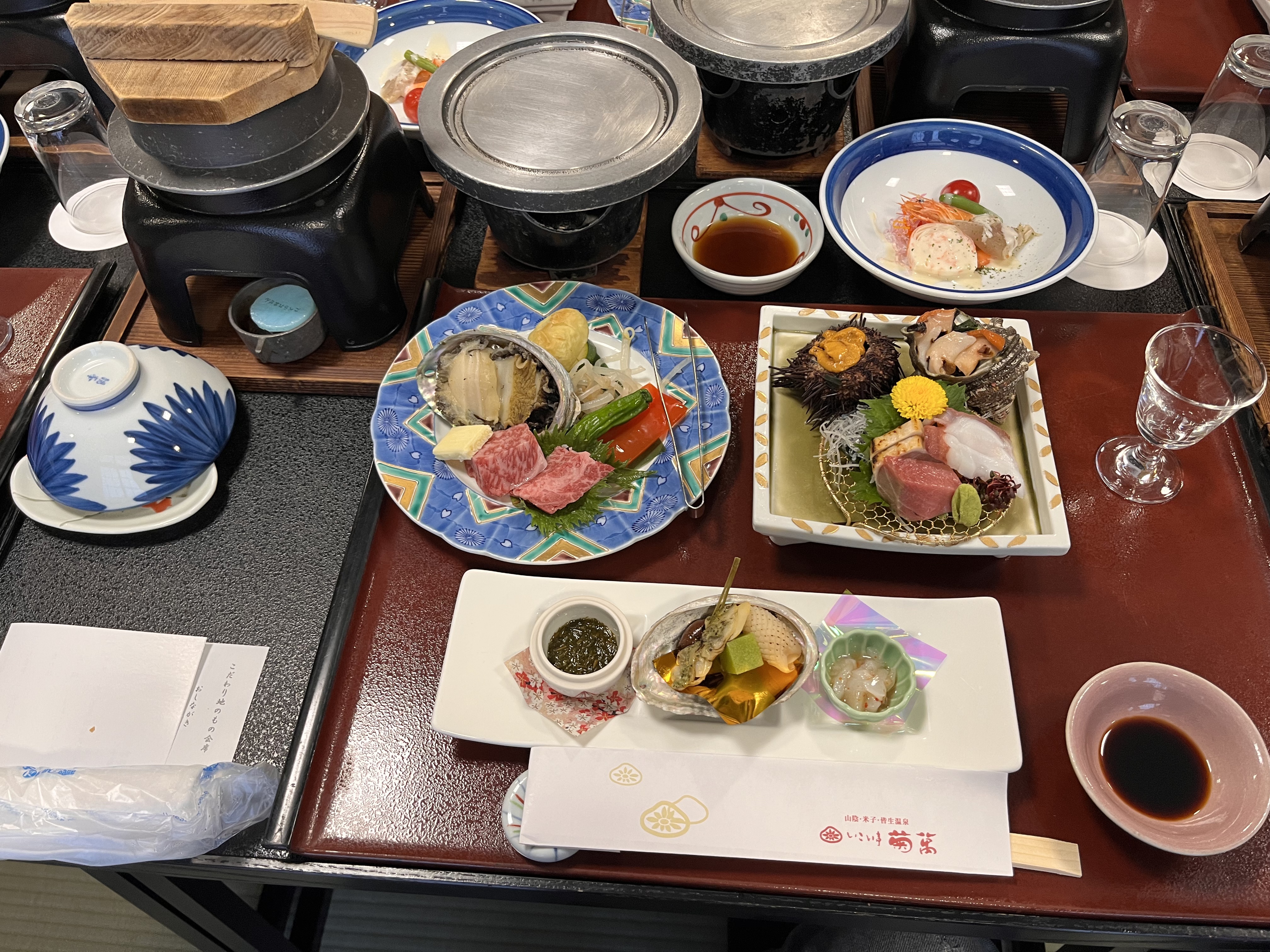
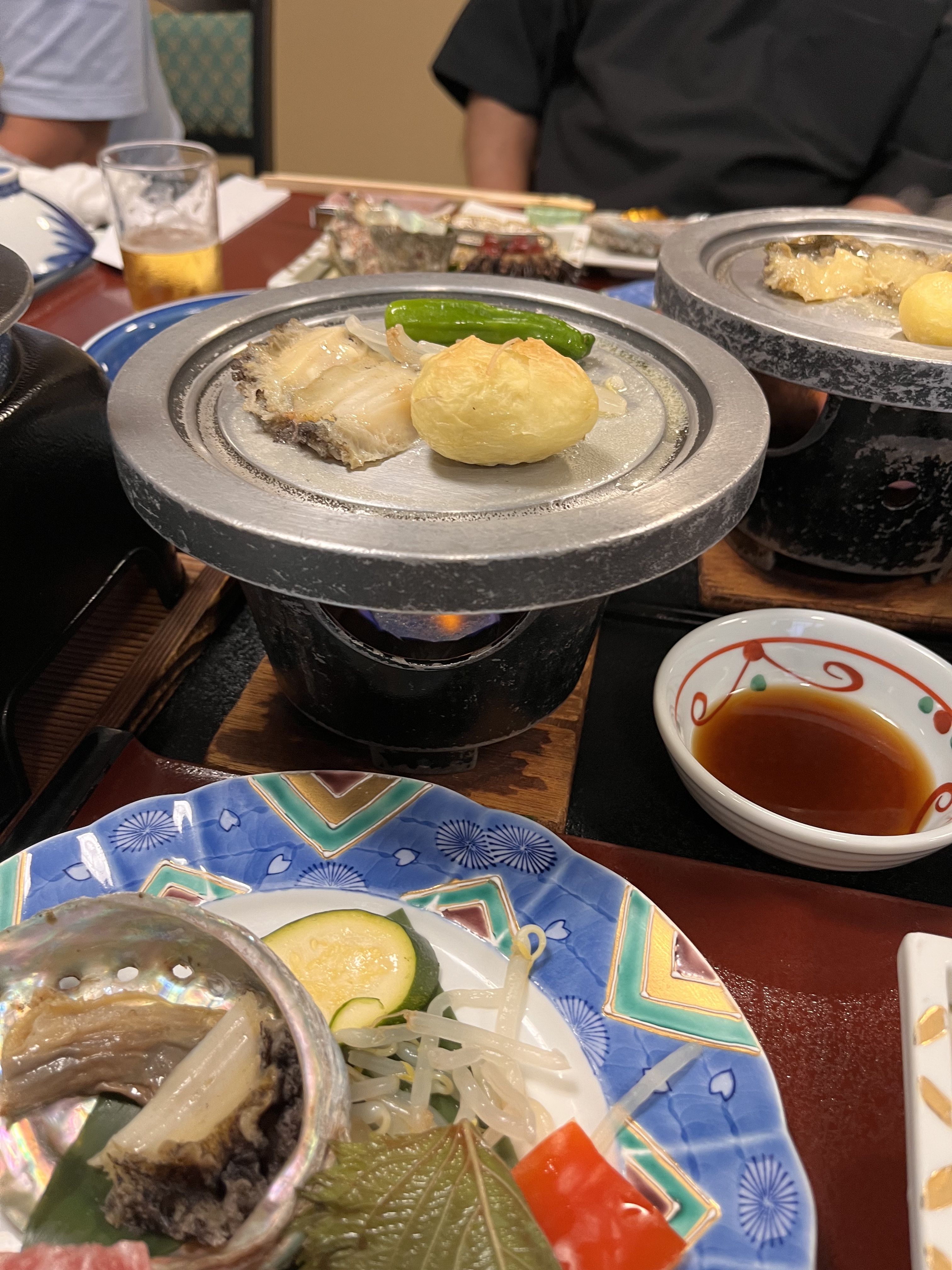
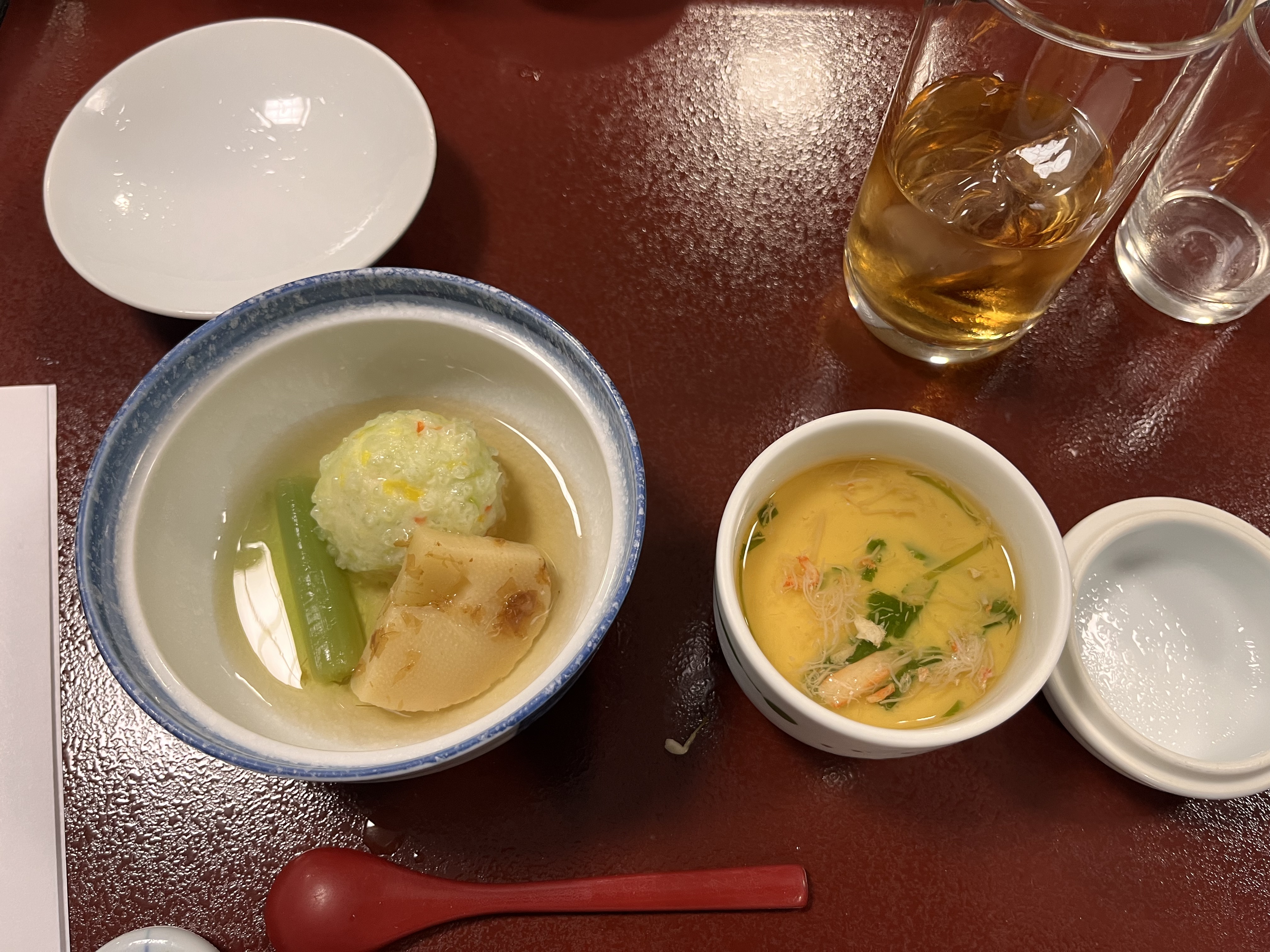
Often in a Ryokan, there is also the Onsen or the Hot Spring Bath. This place draws its hot bath water from the Kaike Hot Spring (皆生温泉). This hot spring is unique in that the spring itself is located in the nearby geothermally heated spring in the sea, and is therefore a salt-rich hot spring.
In Japan it is perfectly normal and acceptable to go to public baths. There is a saying, “Hadaka no Tsukiai” (裸の付き合い) which translates to “naked friendship”. Everyone is on the same level when the clothes are off – no priests or lay; no bosses or workers.
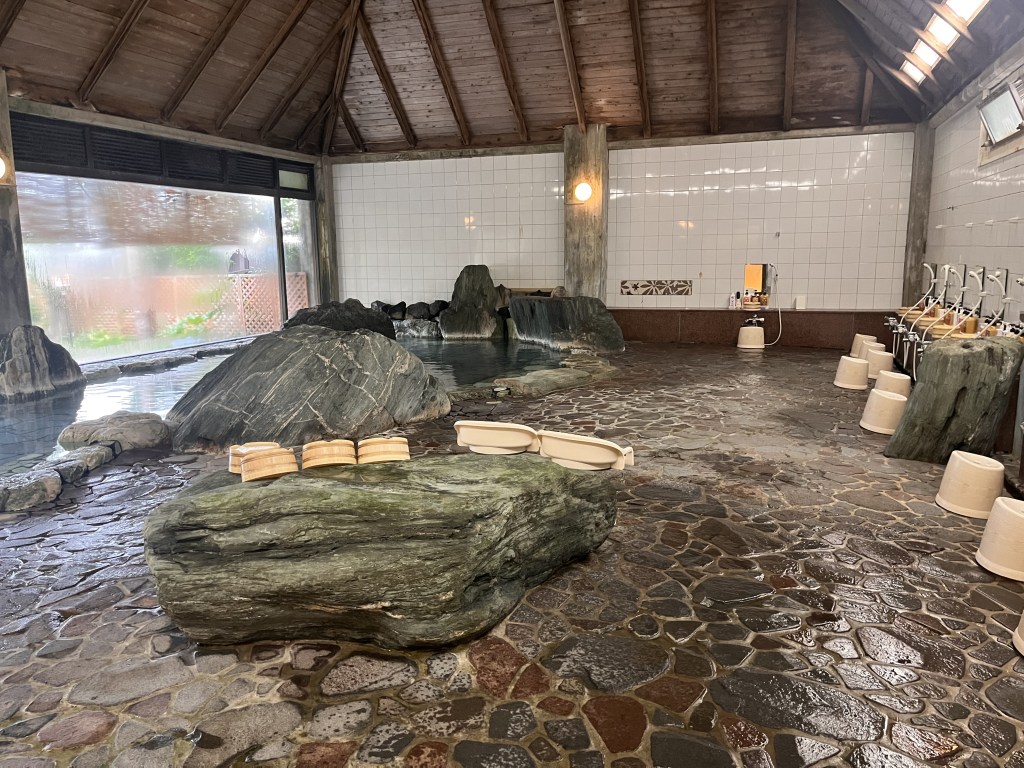
There are certain etiquettes, like washing or at least rinsing off before going into the bath; no letting towels soak in the bath water. In between soaks you can wash yourselves. And for your health’s sake, don’t stay in the hot water for too long! Listen to your own body and cool off by sitting on the edge or even getting out completely.
In addition to soaking in the onsen there were much partying that went on until midnight or so. Ryokan room is often a tatami-room, and during the dinner, a helper prepares the futon bedding on the floor. I was rooming with two other older retired priests, so there were three futon beddings that filled the tatami floor. I asked them to excuse me if I snored – they said they snore too, so not to worry. Worry I didn’t, nor did they, and we all slept well. I hope.
At 7:00 am, the group exercised the trial Morning Prayer and the Eucharist back to back before breakfast. The wording to the Gloria Patri (“Glory to the Father, and to the Son, and to the Holy Spirit..”) had changed, and it needed some getting used to. There were some parts that felt a bit awkward especially in the flow of the congregational responses. But I believe over all there weren’t anything controversial with the new format. Otsukare-sama! (Thank you for your hard work!) In the U.S. a new revision is nowhere in sight.
The elaborate breakfast is another special feature of the Ryokan experience. Japanese style breakfast is a full meal to start the busy day.
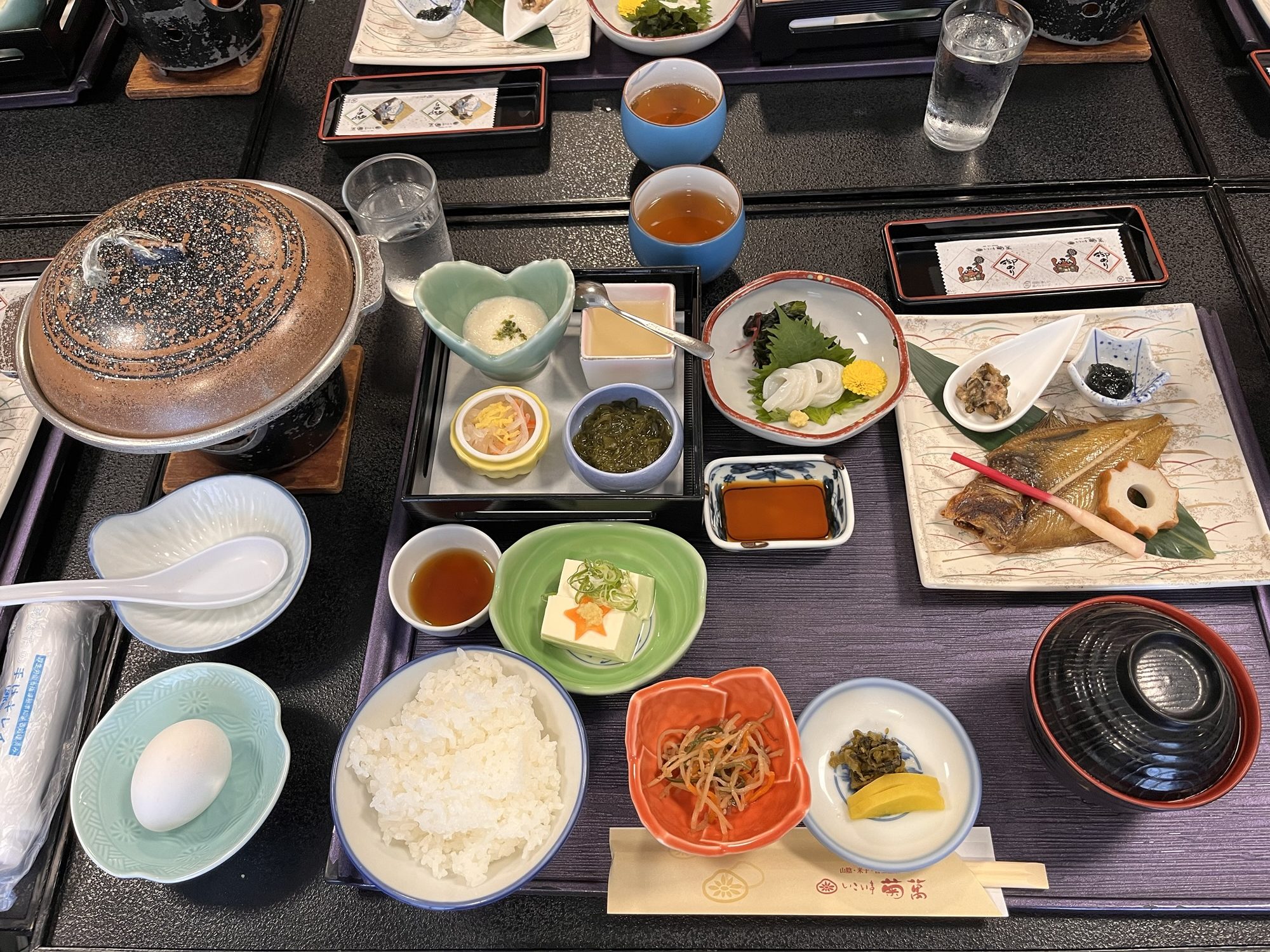
After the breakfast there were additional sessions that included 1) State of Affairs of the Diocese of Kobe by Bishop Yashiro, and 2) reports from the various committees.
After the retreat closing ceremony ended, it was off to visit various spots in the area, planned on the spot by Deacon Miyata and Fr. Seyama.
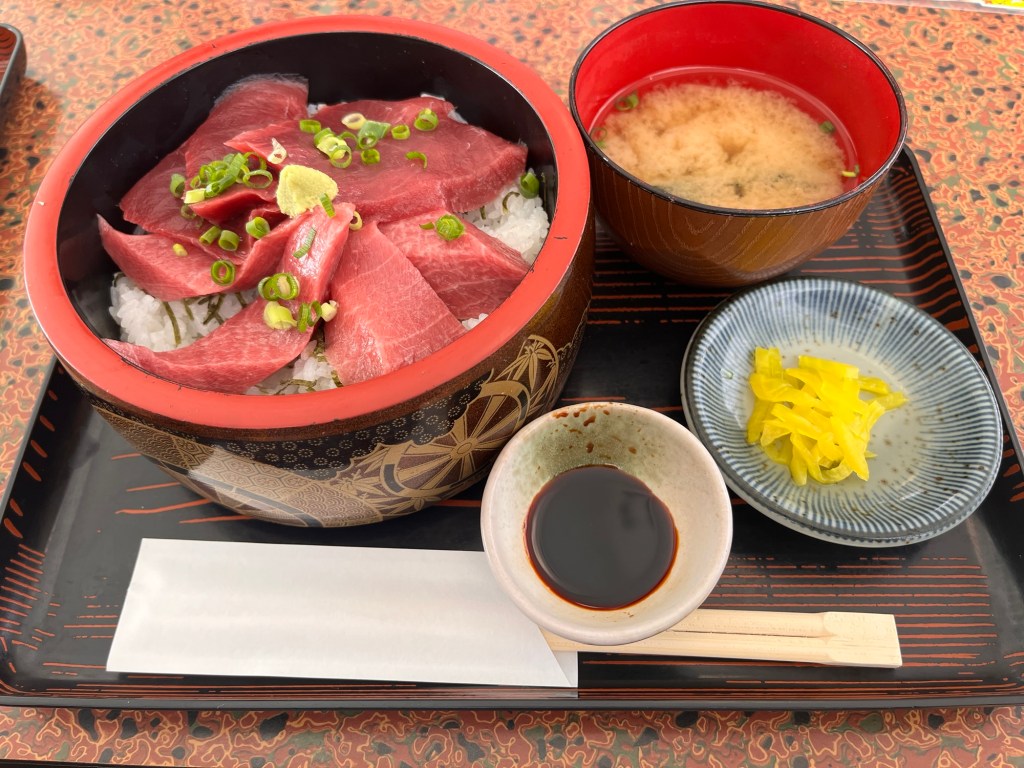
We first satiated our hunger by going to a Maguro-Don or Tuna donburi place. Oh, it was so delicious! It was a bit pricier than the day before, but the tuna couldn’t be any fresher – it was from a 90-kilogram tuna that was just caught that morning and purchased at the fishmarket!
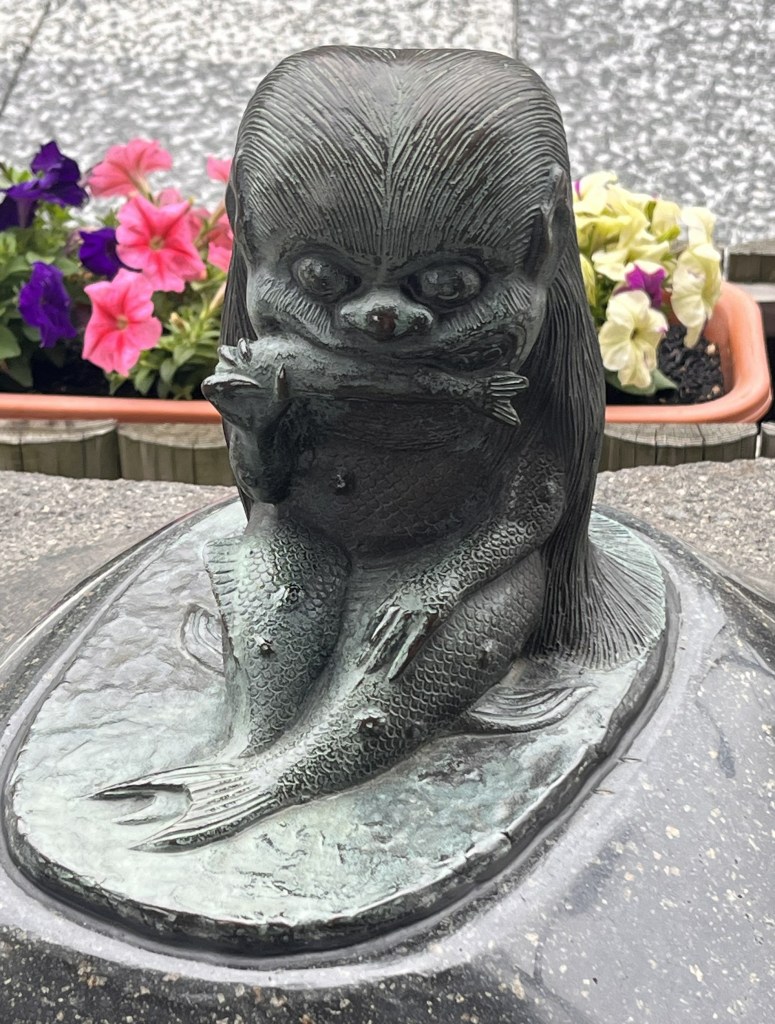
Then we visited Mizuki Shigeru Road in the City of Sakai-Minato (境港市), which honors legendary Manga illustrator of “Ge Ge Ge no Kitaro” a very popular ghosts, spirits and goblins manga. The street is lined up with statues of ghostly characters he illustrated. They are all both scary and cute!
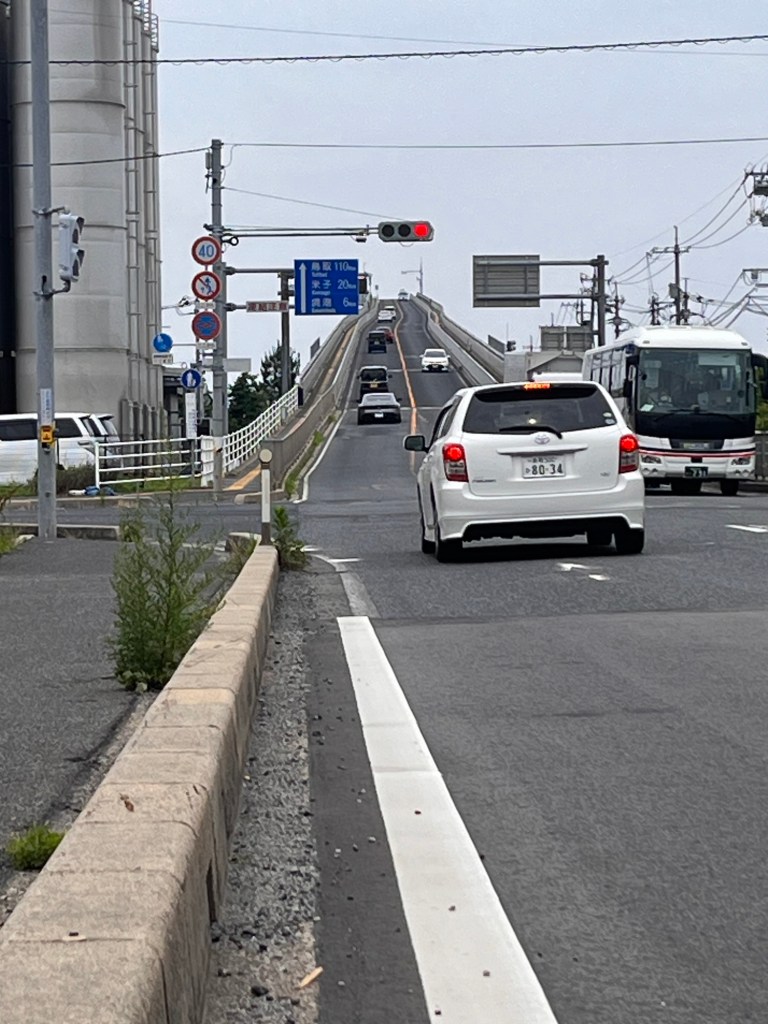
Then we visited Eshima Ōhashi, a famous bridge in Japan that connects Sakai-Minato, the Tottori prefecture side, with Eshima Island on the Shimane prefecture. The bridge is famous for its visual effect when special lenses and photo techniques are used. It must have been taken from afar with telephoto lens to get the special effect as I was not able to capture the feeling like the pros do.
Then we rode up the coast of Tottori to another Manga giant’s town – Hokueicho (北栄町) where the illustrator for Detective Konan, Gōshō Aoyama (青山剛昌)grew up. Sole reason – to enjoy the great taste of milk gelato at Coda – Italian Gelato shop.
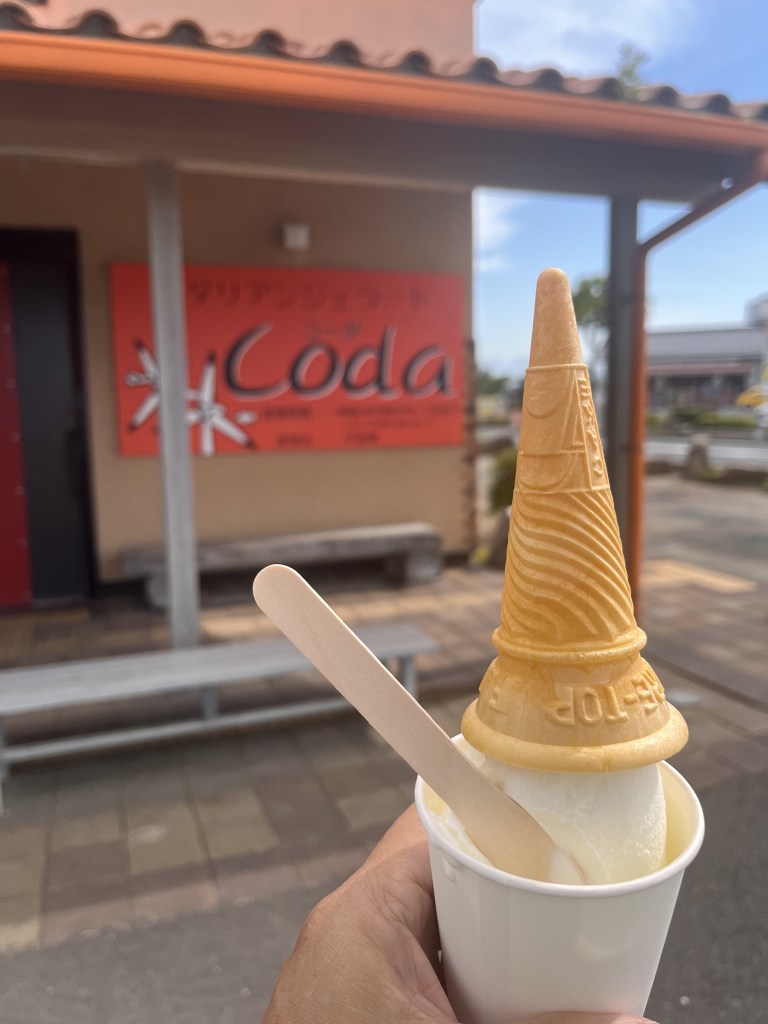
It was one special gelato – simply fresh milk used. We associate milk with Ice Cream and Soft Cream, but this one – gelato – was novel and absolutely delicious! I went back for second cup and decided to order Mango. Mango was also delicious, but milk was the best!
We then drove back to Himeji to drop off the priest from that town. He recommended as the last culinary stop to eat Eki-Soba (えきそば) which is only found in Himeji. It is a strange combination of Ramen-like noodle in Udon broth.
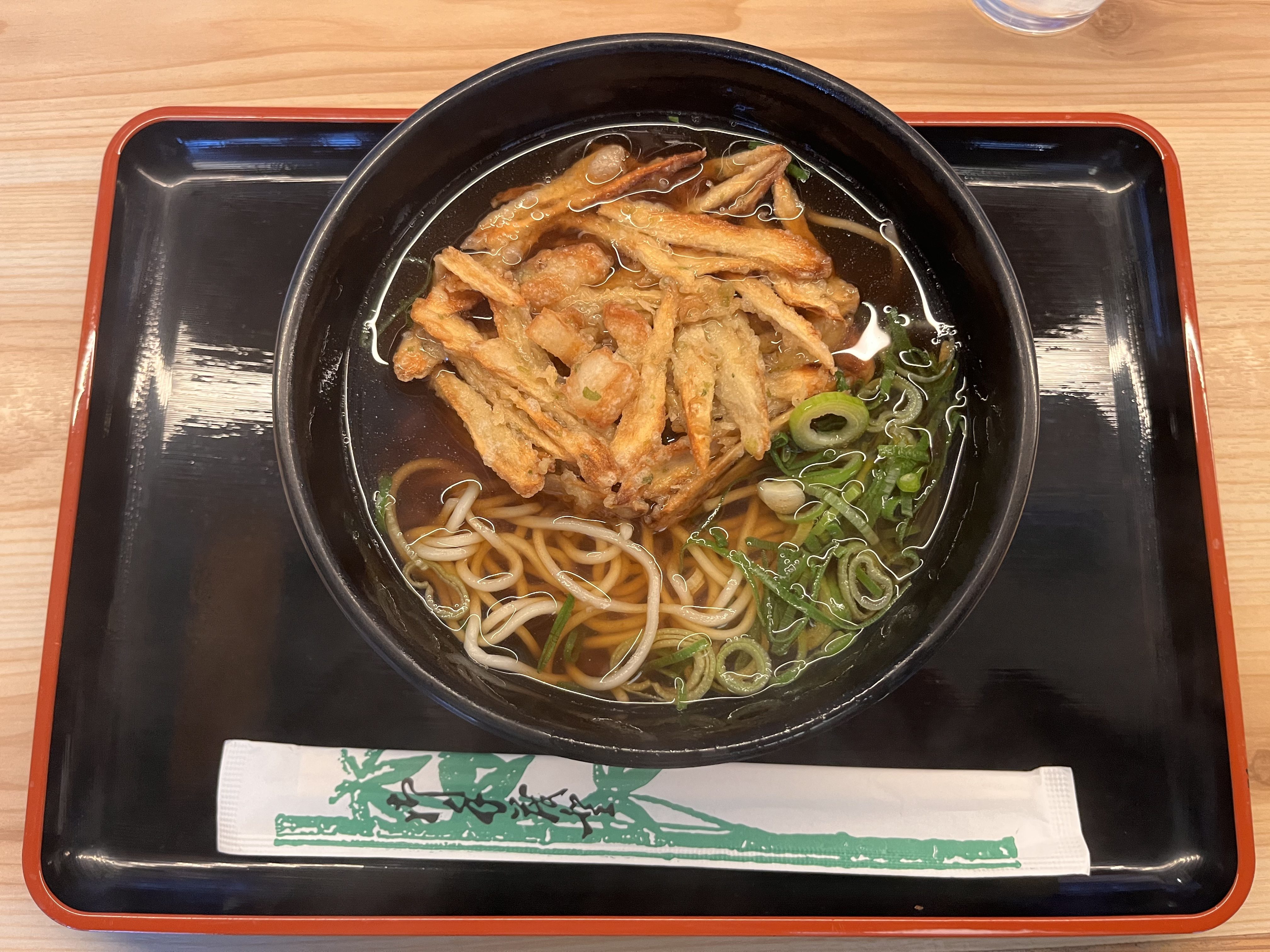
But even without buckwheat in the noodle, which is what Soba is, it works! Apparently this is the soul food for the folk in the city of Himeji, and it can only be found here in Himeji.
We got back to Kobe around 10 PM. It was a trip full of local surprises – the stuff that makes traveling so satisfying. Enjoying food that can only found in that town, soaking in the localities whose histories created these dishes, and to be allowed to share in its joy. That is what I enjoyed the most about this trip.


Leave a comment