A Travel Day to Awaji Island! Fr. Hayashi took me to attend a once-a-month Saturday morning service he has been giving at the Shin-Ko Kyokai (真光教会), or “The Church of True Light,” in the town of Sumoto (洲本).
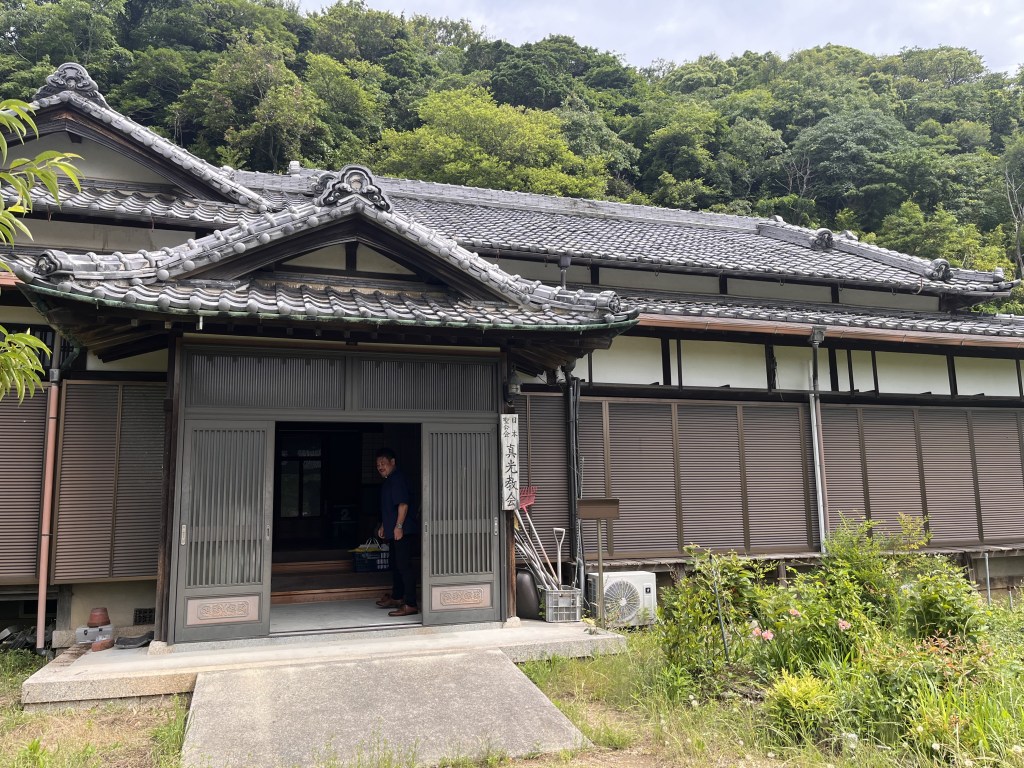
Shin-Ko Kyokai was founded in 1882 by a Missionary, Rev. Hugh James Foss (English-SPG), who later became the second Bishop of the Diocese of Osaka. After four years of constant visits to the town from Kobe starting in 1878 with incredibly poor traveling routes notwithstanding, he had four persons who accepted his message. From there Sukesaburo Shinke (新家輔三郎)a Japanese missioner took up residence in Sumoto and spread the Gospel.
Today at the monthly service, there were but two members who attended – a couple. Mr. Kawahara from the Diocese office also attended to make the total number to five.
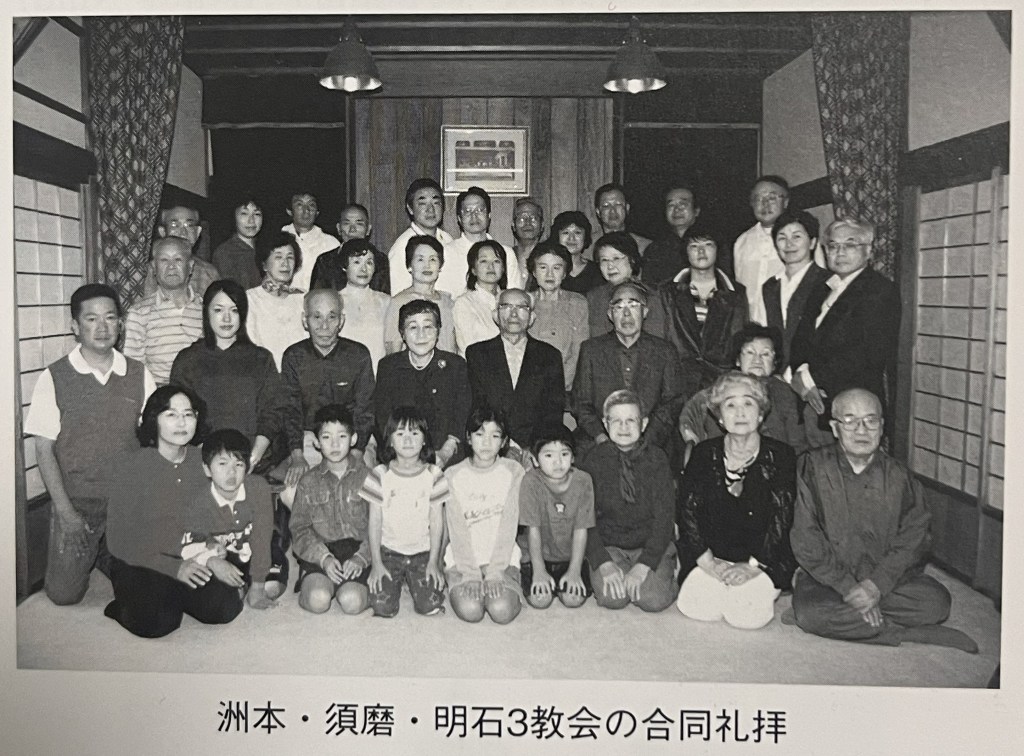
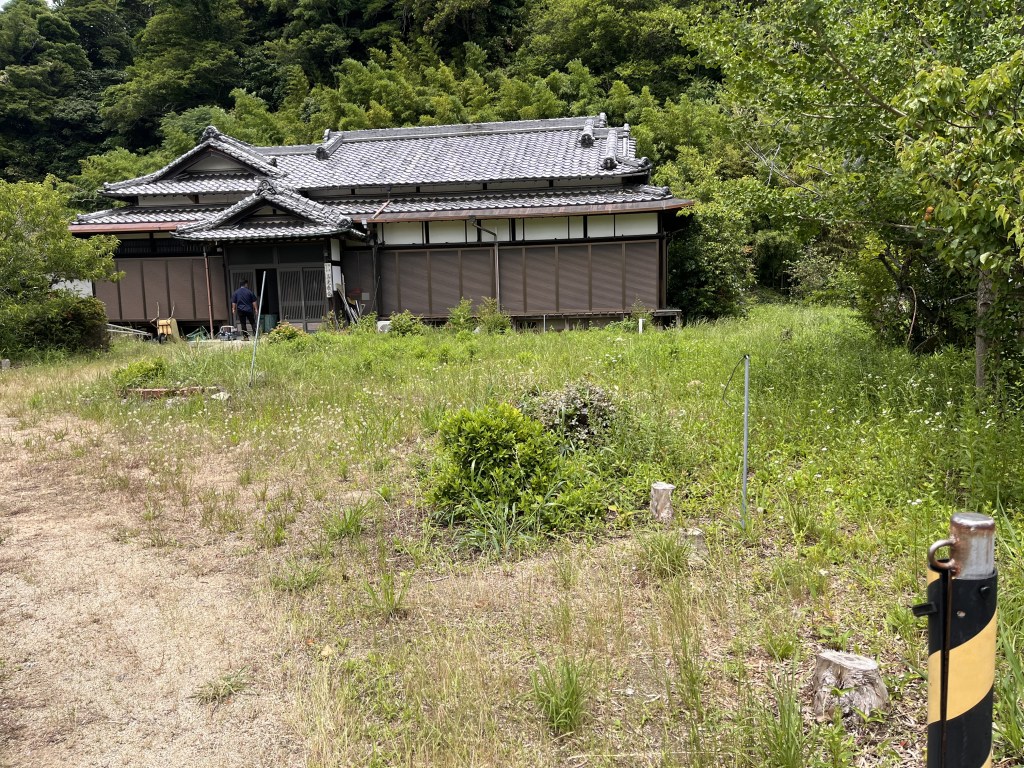
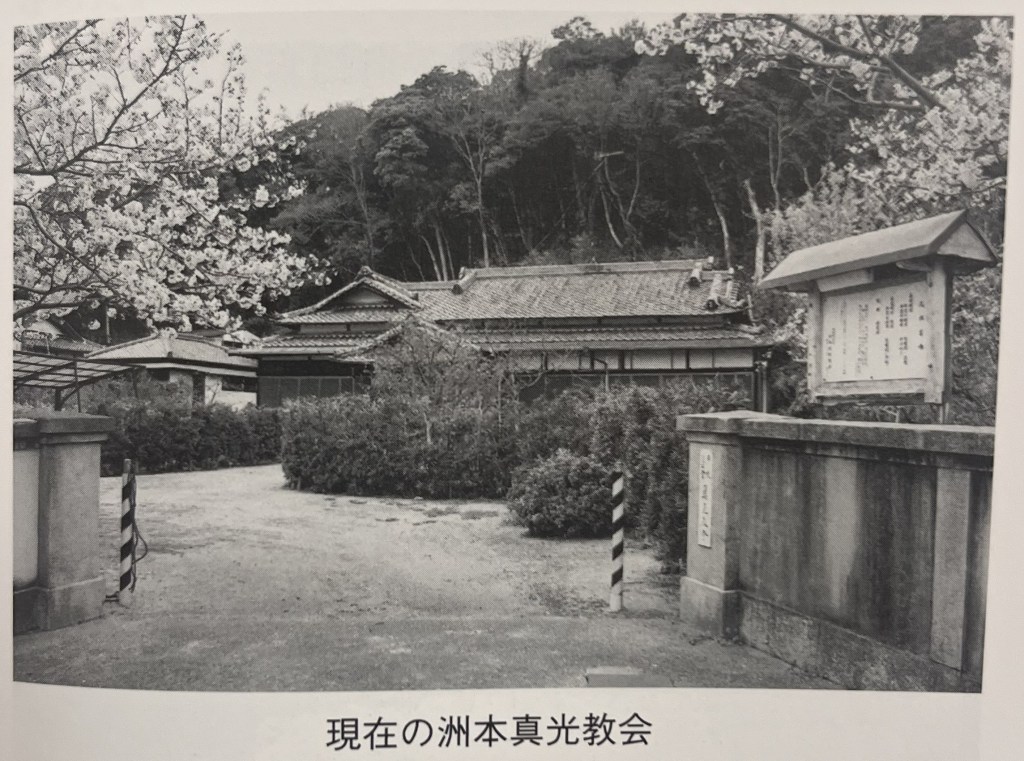
The church building is a residential home that was converted into a church, and the at-home atmosphere was quite charming and amicable. I thought this was a beautiful church although full attendance by even 30 people might be overwhelming, but I understand once it was a bustling church with many members. According to the 140th Anniversary Album of the Diocese of Kobe in 2016, there were 92 members as of 1934.
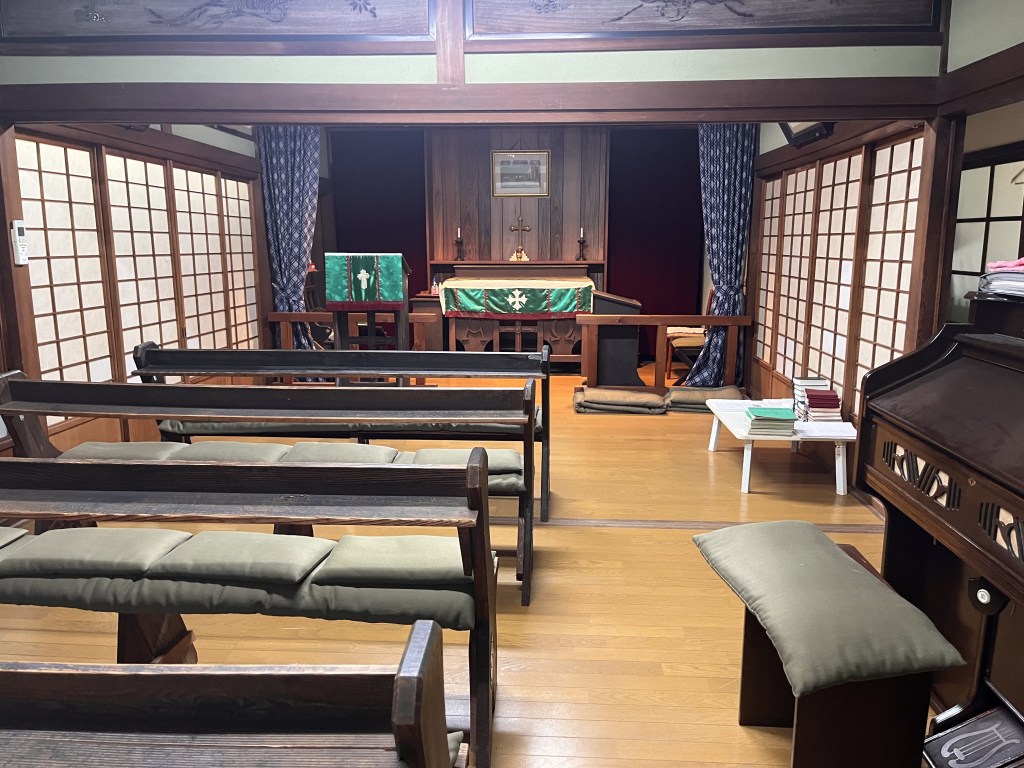
The Great Hanshin-Awaji earthquake had devastated the area, but the church building was spared. It was instead devastated by a flood caused by a Typhoon some years back. They had to do away with the tatami floor and convert to wooden flooring.
I was told currently there are perhaps five or six who were members, but perhaps because of the day of the service, or simply because of disinterest, only the couple who attended remain as active participating members. There’s even a small plot of a Buddhist cemetery that was purchased and is reserved for the church members.
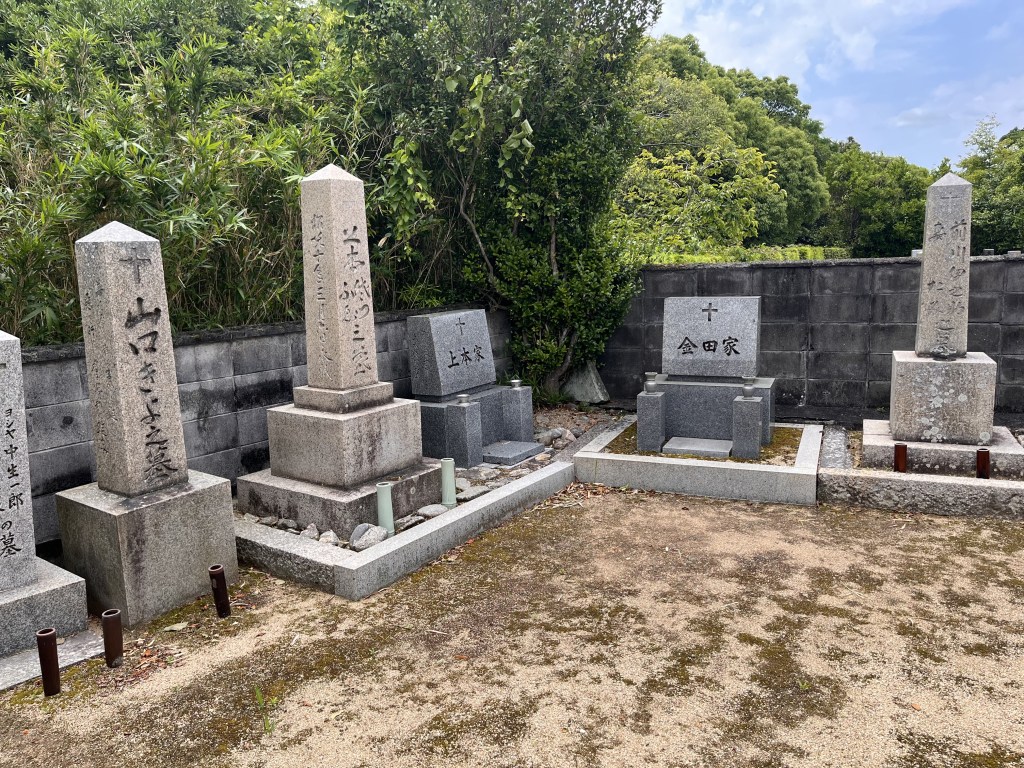
They have a contract with local landscapers to tidy up weeds, but they don’t have enough funds for a regular visit. So at times, it appears as though the church is shut and it’s an abandoned property. I felt sad for this situation, but many churches in Japan are faced with this reality. I believe some churches in the U.S. can relate to this.
The reality in Japan is that it is unusual for a priest to pastor one parish – a priest must take care of three or four parishes, and they make monthly visits to these parishes and provide Eucharist and pastoral care. Other Sundays are left to the parishes to do Morning Prayer or Liturgy of the Word, or no service at all.
Such an existence make these churches look like they’re on life-support as they have no clergy actively meeting the needs of a parish, let alone reaching out to the neighbors to seek out those that might be soul-searching. But alas, that is the reality here, in Japan – there are dwindling population of priests from retirement, and so few seminarians entering into the ministry. What can be done? Anyone interested in Episcopal or Anglican missionary work revival in Japan?
 kobeintern
Leave a comment